|
|
How should the mechanical seal configuration of a water pump be selected
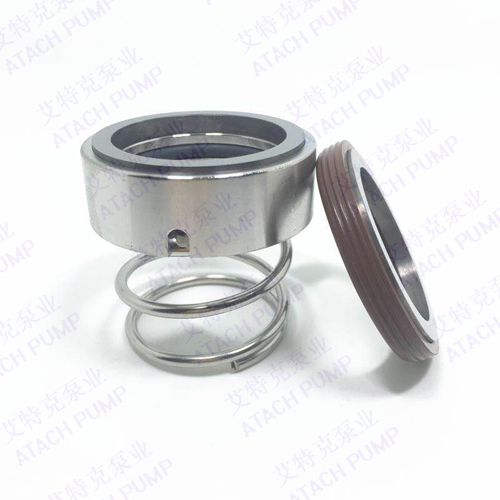
The selection of the mechanical seal (mechanical seal) configuration for water pumps should be comprehensively considered based on the characteristics of the pumped medium, working conditions and equipment parameters. The following are the key points for selection: Medium characteristics Clean water (if no abrasive additives) : It is recommended to combine ceramic/carbon materials (ceramic stationary surface + carbon rotating surface) with nitrile rubber sleeves, which is cost-effective and widely applicable. Abrasive or granular media : Double-end face seals (with flushing fluid buffer) should be selected and combined with more wear-resistant materials such as stainless steel and tungsten carbide to prevent particles from damaging the sealing surface. High-temperature or highly corrosive media : corrosion-resistant materials such as fluoroplastics and graphite should be selected, and an isolation liquid system should be provided to protect the sealing surface. Structure and Materials The rotating surface is usually made of carbon/graphite material, combined with a harder stationary surface (such as ceramic, tungsten carbide) to reduce wear. The sealing material should match the characteristics of the medium: ordinary rubber (such as nitrile rubber) can be used for clear water, while fluororubber or PTFE should be used for corrosive media. Installation and Maintenance Give priority to containerized mechanical seals, which are convenient for maintenance and comply with industry standards (such as API610 specification). Ensure that the shaft seal cavity is reasonably designed to avoid leakage or accelerated wear due to insufficient processing accuracy. Adaptation for special working conditions sewage pump : It adopts double-end face seal and adds a flushing liquid system to prevent the accumulation of impurities. chemical pump : It needs to be matched with an isolation liquid |