|
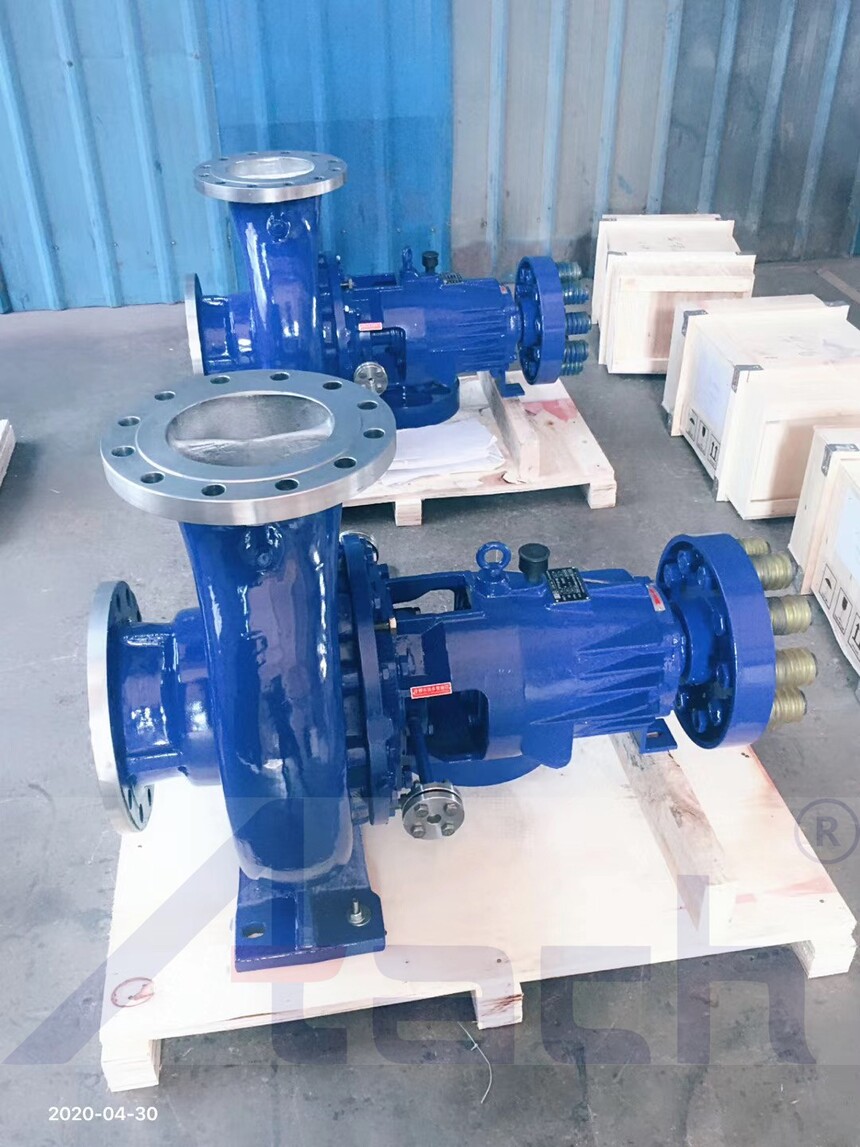
Can stainless steel 316 be used to handle seawater pumps ?
316 stainless steel can withstand seawater environments, but the appropriate model should be selected based on specific working conditions and protective measures should be taken. The following are the key points: Applicability analysis 316 stainless steel (especially 316L) is widely used in medium and low load scenarios such as seawater desalination and ship deck motors due to its lower carbon content (≤0.03%) and superior corrosion resistance compared to ordinary 304 stainless steel. However, high-salinity seawater will accelerate chloride ion corrosion. It is necessary to use fluororubber seals (model marked with "RS") and control the temperature not to exceed 80℃. Explanation of limitations If the working conditions involve high rotational speed (such as circulating pumps), strong corrosion or long-term operation, it is recommended to give priority to using duplex stainless steel (such as 2205) or super duplex stainless steel (such as 2507), as they have better corrosion resistance and mechanical properties. The API610 standard has clearly included duplex/super duplex stainless steel in the material selection guidelines for seawater pumps. Protective measures Sealing design : It adopts a "double-lip seal + dust cover (RS+ZZ)" structure to prevent seawater from seeping into the interior of the bearing. Coating treatment : Passivation or Teflon coating treatment is applied to stainless steel bearings to enhance surface corrosion resistance. Installation specification : Install with stainless steel/plastic tools. The gap fit should be increased by 5%-10% compared to normal working conditions. Maintenance after installation Stainless steel bearings need to have their lubrication conditions checked every three months, while ceramic/plastic bearings need to have their sealing ring conditions inspected every six months. |