|
What types of flanges are there for chemical pumps?
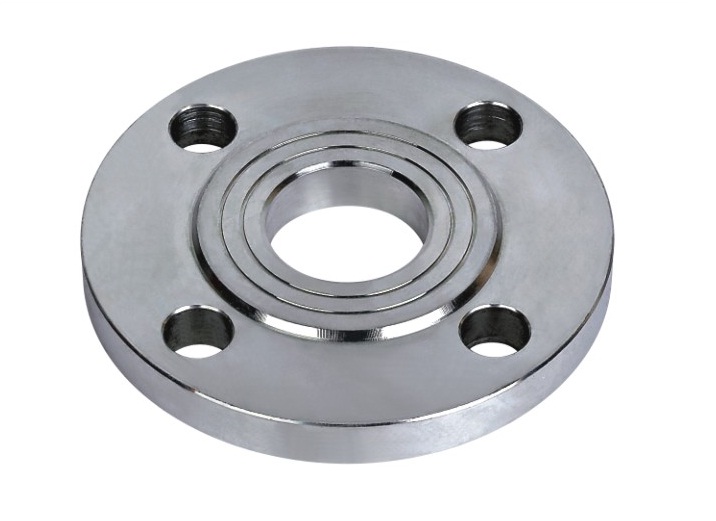
The types of flanges used with chemical pumps mainly include plate type flat welding flanges, necked flat welding flanges, necked butt welding flanges, socket welding flanges, threaded flanges, and loose flanges (such as loose butt welding ring flanges and flat welding ring loose flanges), etc. The specific classification is based on different systems such as chemical industry standards (HG), national standards (GB), and mechanical industry standards (JB). Main types and characteristics plate flat welding flange Advantages: Simple manufacturing, low cost, suitable for low-pressure non-corrosive media (such as circulating water pumps, compressed air pumps). Disadvantages: Poor rigidity, not suitable for high-temperature, high-pressure or flammable and explosive environments. necked flat welding flange Advantages: Easy installation, enhanced rigidity at the neck. Disadvantages: The welding workload is large, and the ability to withstand high temperatures and high pressures is relatively weak. neck butt-weld flange Advantages: Good sealing performance, suitable for high-temperature, high-pressure or flammable and explosive media. Disadvantages: Large in size, heavy in weight, and complex to install. socket weld flange Applicable scenarios: It is commonly used in pipelines with PN≤10.0MPa and DN≤40. When the medium is highly corrosive, it needs to be lined with corrosion-resistant materials. loose flange Type: It includes loose flanges with butt-weld rings, loose flanges with flat weld rings, etc., suitable for corrosive media, and the inner and outer materials can be different. Standard classification Chemical industry standards (HG) : Plate flat welding flange (PL), necked flat welding flange (SO), necked butt welding flange (WN), etc. National Standard (GB) : Integral flanges, threaded flanges, butt-weld flanges, etc. Mechanical standards (JB) : integral flanges, butt-weld flanges, plate flat weld flanges, etc. |