|
The contact surface of the mechanical seal of a chemical pump, the difference between alloy and silicon carbide?
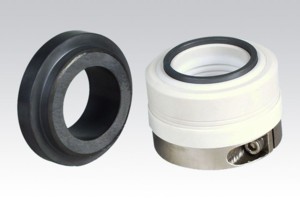
The selection of the contact surface material for the mechanical seal of a chemical pump needs to be comprehensively judged based on the characteristics of the medium, temperature, pressure and other conditions. The main differences between alloys (such as stainless steel) and silicon carbide are as follows: Comparison of material properties Alloys (such as 316 stainless steel) : Advantages: Good corrosion resistance, high mechanical strength, and relatively low cost. Disadvantages: Relatively low hardness, poor wear resistance, and prone to wear in high-pressure or granular media. Silicon carbide: Advantages: High hardness (Mohs hardness 7-8), excellent wear resistance, high temperature resistance (up to over 1000℃), and strong corrosion resistance. Disadvantages: It is relatively brittle, prone to cracking due to impact or improper installation, and has a relatively high cost. Applicable scenarios Alloy: Suitable for low to moderate wear, media with weak corrosiveness (such as water, weak acid and alkali solutions), or cost-sensitive working conditions. Silicon carbide: suitable for high-temperature, high-pressure, highly corrosive or granular media (such as petroleum products, chemical raw materials), scenarios that require long-term stable operation. Maintenance and Lifespan Alloy: Regular inspection of wear conditions is required, and its service life is relatively short. Silicon carbide: It has a longer lifespan, but mechanical shock and thermal stress during installation should be avoided. |