|
What kind of pump is needed to transport organic solvent adhesives ?
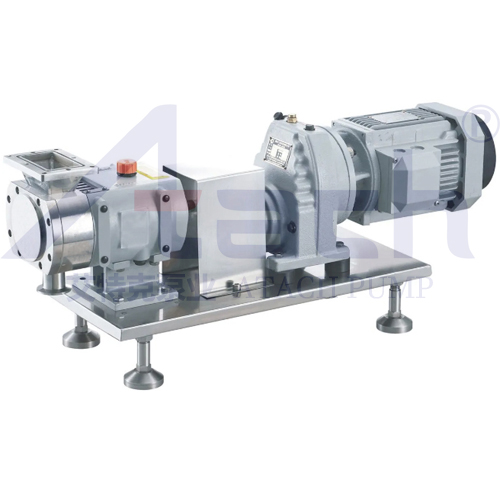
The transportation of organic solvents and adhesives requires the selection of pump type based on specific properties. The following are common schemes: Centrifugal pump It is suitable for low-viscosity organic solvents without solid particles (such as gasoline and benzene), with a simple structure and stable flow rate. Positive displacement pump Gear pump: Suitable for medium-viscosity adhesives, such as polyurethane glue and silicone. Screw pump: It can convey high-viscosity or solid-content rubber compounds, such as epoxy resin. Piston pump: Suitable for high-pressure requirements, such as the transportation of sealant. Pneumatic diaphragm pump The frictionless design is suitable for conveying adhesives containing particles or with high viscosity (such as white latex, polyurethane slurry), and it has good explosion-proof performance. 45 Designed specifically for organic solvents such as alcohol and ethanol, this stainless steel material is corrosion-resistant and suitable for operating conditions ranging from -35℃ to 80℃. Explosion-proof submersible pump Built-in shielded motor, suitable for flammable and explosive organic solvents (such as methanol), in compliance with GB3836 explosion-proof standards. Selection suggestions Low-viscosity organic solvents: Centrifugal pumps or self-priming pumps are preferred. High-viscosity/solid-containing adhesives: Gear pumps, screw pumps or pneumatic diaphragm pumps are recommended. Flammable and explosive environments: Explosion-proof submersible pumps or pneumatic pumps should be selected. the best plan is to use ATACH brand Rotor pump. |