|
Why does using a centrifugal pump below its head range cause excessive current and even burn out the motor ?
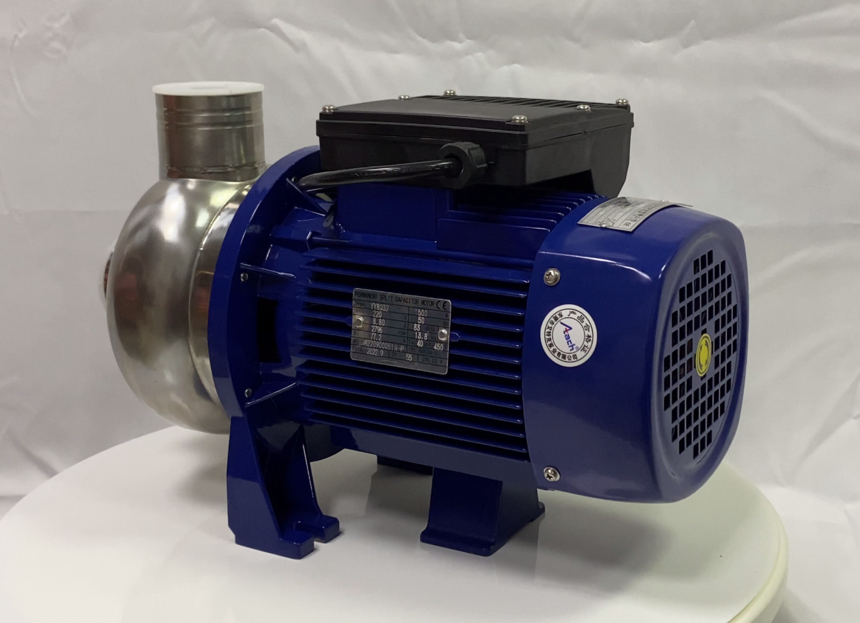
This is a significant misunderstanding. Many customers think that if they need a head of 20 meters, then a pump with a head of 50 meters should be more than sufficient. However, they are unaware that this will directly cause motor overload and, in severe cases, burn out the motor. The analysis is as follows: When a centrifugal pump is used below its designed head, the resistance at the outlet decreases, resulting in a significant increase in flow rate. The motor load exceeds the rated power, causing excessive current and even burning out the motor . The following are the specific reasons and impacts: The relationship between flow and power The flow rate of a centrifugal pump is inversely proportional to its head: when the head decreases, the resistance at the outlet decreases and the flow rate increases significantly. Power consumption is directly proportional to flow rate, so the motor needs to output higher power at low head. For instance, a pump designed with a head of 50 meters and a flow rate of 50m³/h may see its flow rate increase to 80-90m³/h at a head of 40 meters, resulting in a significant rise in power demand. Motor overload risk When the flow exceeds the rated load of the motor, the current rises rapidly. If the motor is continuously overloaded, the temperature of the motor winding will rise, the insulating material will be damaged, and eventually it will be burned out. When the motor starts, the current has already reached 3 to 5 times the rated value. Low-head operation will further increase the risk of overload. Protective measures Install the regulating valve: limit the flow rate by closing the outlet valve to avoid overload. Monitor temperature rise: During operation, the motor temperature needs to be monitored in real time. If overheating is detected, the machine should be stopped immediately. Selection and matching: The actual head should not be less than 60% of the rated head to avoid long-term use at low head. |