|
Under what circumstances should the surface of a stainless steel pump casing be painted and under what circumstances should it be pickled?
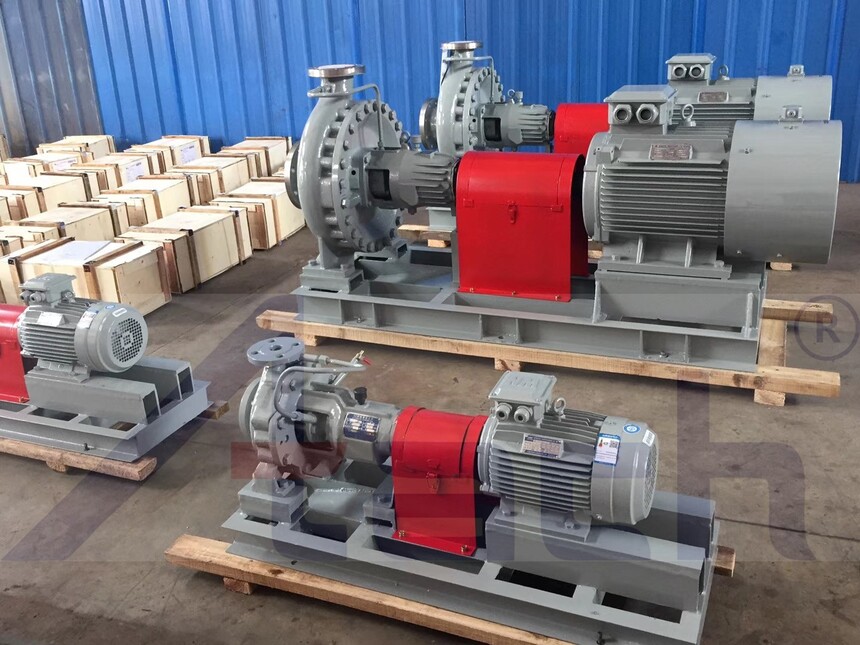
Some of the stainless steel pump casings of ATACH Pump Industry are pickled, while others need to be painted on the surface of the pump casing. Why is that? Wouldn't it look better to expose the original color of stainless steel after pickling? Then why do we still need to spend time and effort on additional painting treatment? Let's analyze it as follows: The choice between painting and pickling for the surface treatment of stainless steel pump casings should be based on a comprehensive judgment of specific application scenarios, surface conditions and performance requirements. The following analyzes the applicable conditions from the perspectives of treatment purpose, surface condition, environmental factors, industry norms and cost-effectiveness. applicable situations for spray painting treatment Spray painting is mainly used to improve appearance, provide additional protection or meet specific functional requirements, but it is necessary to ensure that the surface treatment is appropriate to guarantee adhesion. When there is oil stain, rust or a slight oxide layer on the surface of the stainless steel pump casing, direct painting may cause the coating to peel off or bubble. Therefore, pretreatment such as acid washing must be carried out first to remove contaminants Spray painting is commonly seen in the following scenarios: High appearance requirements : such as architectural decoration, industrial equipment appearance beautification, spray painting can provide uniform color and decorative effect. Additional anti-corrosion requirements : In environments with weak corrosiveness (such as atmospheric environments), spray painting can be used as an auxiliary anti-corrosion method, but it needs to be combined with acid washing to enhance adhesion Functional distinction : If it is necessary to mark pipes or distinguish components, spray painting can provide clear visual markings.
application of pickling treatment Pickling is a key process for restoring and enhancing the corrosion resistance of stainless steel bodies. It is usually preferred in the following situations: Severe surface contamination : oxide scale, welding slag, rust or oil stains produced after welding or hot working. Pickling can thoroughly remove these impurities and prevent them from becoming the starting point of corrosion High corrosion resistance requirements : In harsh environments such as chemical engineering, Marine, food and pharmaceutical industries, pickling can restore the surface passivation film, significantly enhance corrosion resistance and extend the service life of the pump casing Subsequent processing or maintenance requirements : If the pump casing needs to undergo subsequent treatments such as electroplating or painting, acid washing provides a clean base to enhance adhesion; When corrosion products occur after long-term use, pickling can be used for maintenance repair Industry standard compliance : In fields such as food and medical care, surface hygiene grade cleaning is required, and acid washing complies with relevant regulations (such as blue dot testing standards) comparison of decision-making factors Surface condition : If there is obvious oxide scale, weld spots or rust on the surface, acid washing should be given priority; If it is only for minor oil stains or aesthetic requirements, painting can be considered (but acid washing pretreatment is needed). Environment and lifespan : Pickling is better in harsh corrosive environments; When the atmospheric environment is concerned and the appearance is emphasized, spray painting may be more economical. Cost and maintenance : The initial cost of pickling is relatively high, but the long-term maintenance is less. Painting may require regular repainting. Regulations and hygiene : In industries with high hygiene standards (such as pharmaceuticals), acid washing is mandatory, and when painting, it is necessary to ensure that the materials are non-toxic and environmentally friendly. In conclusion, pickling is suitable for core scenarios where corrosion resistance and base cleanliness are guaranteed, while painting is mostly used for appearance or auxiliary protection and often relies on pickling as a prerequisite step. The actual selection should be based on the specific working conditions of the pump casing, the expected service life and industry standards. |