|
ATACH pump company explains the differences between the pressed centrifugal pump and the cast centrifugal pump
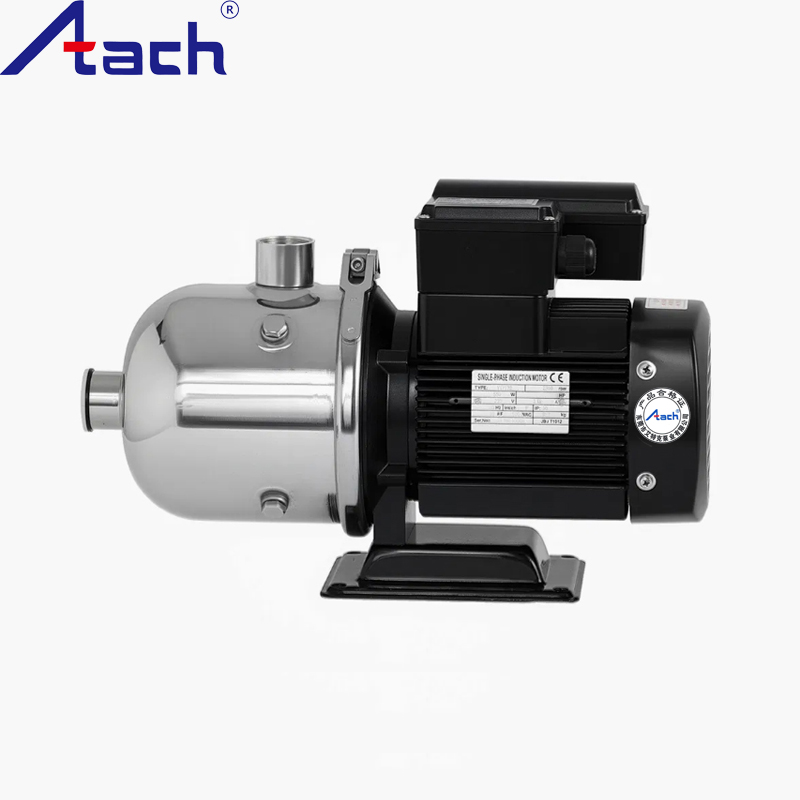
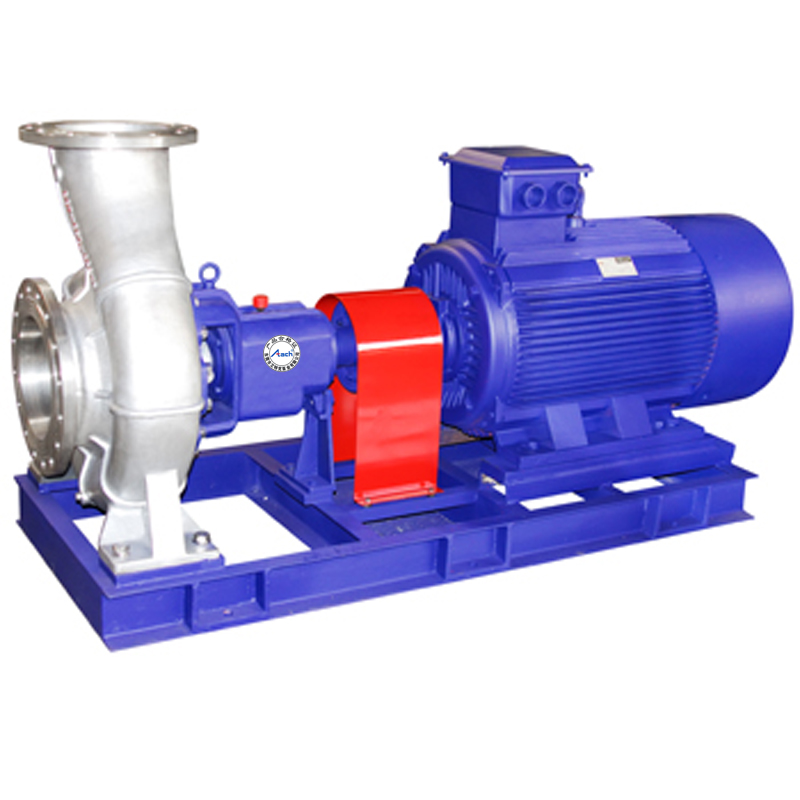
The pumps of ATACH pump company are mainly divided into two categories: those made by casting and those made by stamping. The stamping centrifugal pumps and casting centrifugal pumps are two types of centrifugal pumps that adopt different manufacturing processes. They have significant differences in structure, performance, and application scenarios. • Stamping centrifugal pump: Manufactured by stamping and welding process, it is formed through processes such as cutting, stamping, stretching, and welding. It has the following characteristics: o Lightweight and energy-saving: The weight is only about 1/8 of the casting pump of the same specification, reducing raw material and energy consumption significantly, and having higher operating efficiency, usually saving 5% more energy than the casting pump. o High manufacturing efficiency: The production cycle is short (about 4-5 hours to complete), easy to achieve automation, and suitable for standardized batch production. o High flow channel precision: The impeller and pump casing are formed by molds, with smooth inner walls, less hydraulic loss, and higher efficiency than the casting pump. o Application scenarios: Mostly used for clean water, boiler feed water, petrochemicals, etc., which are occasions that are sensitive to efficiency and weight, and commonly found in vertical multi-stage pumps (such as CDL series). • Casting centrifugal pump: Manufactured by sand casting process, where molten metal is poured into the mold to form. Its characteristics include: o Strong structure: Larger wall thickness, strong wear resistance and corrosion resistance, suitable for transporting media containing solid particles (such as sewage, slurries). o Long manufacturing cycle: It goes through multiple processes such as casting, heat treatment, and mechanical processing, with a production cycle of up to 10 days or more, and the qualification rate is relatively low. o Cost and applicability: Although the single-piece cost may be higher, due to the flexible material selection (such as cast iron, stainless steel), it still dominates in high-pressure, high-wear, or large pump fields. Core differences summary: • Process: The stamping pump mainly uses sheet metal stamping and welding, while the casting pump is centered on metal melting and casting. • Performance: The stamping pump has obvious advantages in efficiency, weight, and energy consumption; the casting pump is superior in strength, wear resistance, and adaptability to complex working conditions. Application: The stamping pump is suitable for clean media and occasions with high efficiency requirements; the casting pump is widely used in sewage, mining, chemical industries, etc., in harsh environments. |